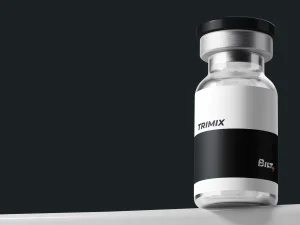
Taking B12 with Semaglutide supports better energy, helps prevent nutrient deficiencies, and can improve your weight loss results. While Semaglutide works by reducing appetite and slowing digestion, this can also affect how your body absorbs key nutrients like Vitamin B12. Supplementing B12 helps support metabolism, nerve health, and red blood cell production — all important during GLP-1 treatment.
How B12 Supports Semaglutide Treatment
Vitamin B12 plays a vital role in:
Converting food into usable energy
Supporting brain and nerve function
Producing healthy red blood cells
As your calorie intake and food volume decrease on Semaglutide, B12 ensures your energy levels stay stable and your metabolism remains efficient.
Does Semaglutide Deplete B12?
Semaglutide Slows Digestion, Which May Affect Nutrient Uptake
Semaglutide doesn’t directly reduce B12, but its effects on digestion — like delayed stomach emptying — can limit absorption over time. This is especially true for patients with low dietary intake, existing digestive conditions, or older adults.
🔗 NIH: Vitamin B12 Health Facts
Why Energy Levels Drop on Semaglutide
B12 Helps With Fatigue During GLP-1 Therapy
Many Semaglutide users report fatigue or low energy in the first few weeks — especially during dose titration or calorie restriction. B12 supplementation helps:
Boost physical energy and mental focus
Reduce brain fog and tiredness
Improve long-term stamina during treatment
📎 Explore microdosing Semaglutide options
Is It Safe to Take B12 with Semaglutide?
Best Practices for Combining B12 and GLP-1s
B12 can be taken orally, sublingually, or by injection
Weekly injections often coincide with Semaglutide dosing
Always follow your provider’s protocol or telehealth guidance
Most programs recommend 1000 mcg weekly or 500–1000 mcg daily, depending on baseline B12 levels and symptoms.
Who Should Consider B12 With Semaglutide?
Patients Most Likely to Benefit
Those with low energy or fatigue during treatment
People on low-calorie or low-protein diets
Older adults or individuals with known absorption issues
Vegans or vegetarians not consuming animal-sourced B12