
Restore Healthy Testosterone Levels
Learn whether Testosterone Replacement Therapy is right for you with guidance from licensed healthcare providers and personalized treatment plans.
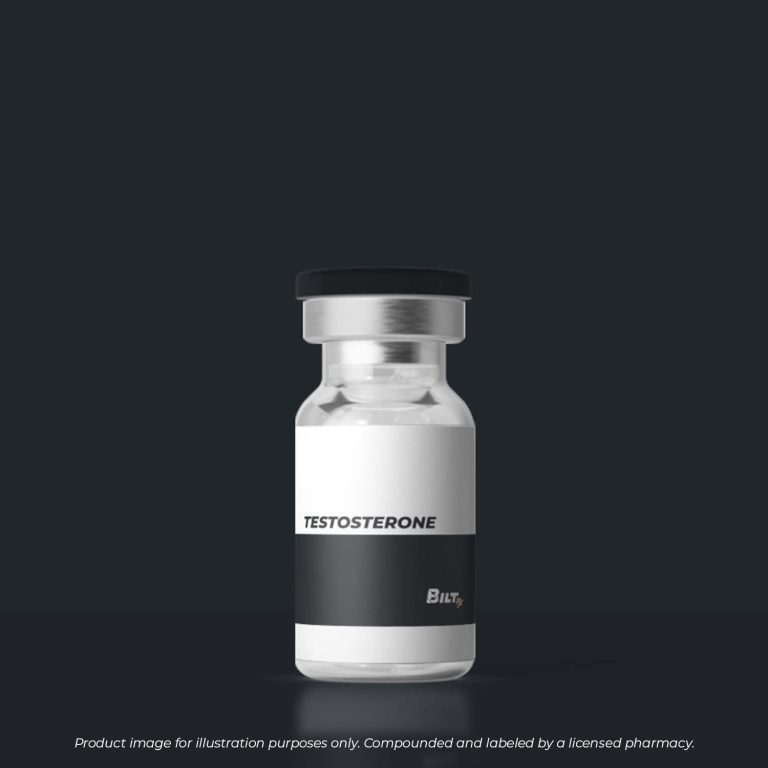

Testosterone Therapy Online, Guided by Licensed Providers
Medically reviewed by Nishant Rao, ND · Legal and regulatory review by Daniel Eliav
Low testosterone can affect energy, sex drive, mood, and body composition. BiltRx offers online TRT (testosterone replacement therapy) with licensed U.S. providers who review your symptoms and lab results before recommending treatment. If TRT is appropriate, your provider may prescribe testosterone injections or testosterone cream, prepared by a licensed pharmacy and shipped to your door.
Who TRT May Suit
TRT is meant for men with symptoms of low testosterone and lab work that confirms low levels. Guidelines generally call for confirming low levels with morning blood tests. Common signs include:
- Low energy or persistent fatigue
- Reduced sex drive or weaker erections
- Loss of muscle, more body fat, or slower recovery from workouts
- Low motivation, irritability, or trouble concentrating
Our guide to the signs of low testosterone explains these in more detail and when to get tested. Symptoms alone are not enough: many of them overlap with poor sleep, stress, thyroid issues, or other conditions, which is why labs matter.
How TRT Works
Testosterone therapy supplies testosterone your body is not making enough of, with the goal of bringing levels back into a healthy range. Your provider uses follow-up labs to guide adjustments. The two main options at BiltRx differ mostly in routine:
- Testosterone injections are given on a set schedule your provider determines. There is no skin-to-skin transfer risk, but you will need to be comfortable with a needle.
- Testosterone cream is applied to the skin, usually daily, so no needles are involved. Because testosterone can rub off on others, you must wash your hands and cover the area. Learn more in our guide to Lipoderm testosterone cream.
If your testosterone product is compounded, it is not FDA-approved, and the FDA does not review compounded drugs for safety, effectiveness, or quality.
What to Expect
TRT is not an overnight fix. Some men notice changes in energy, mood, or libido within a few weeks, while changes in muscle and body composition usually take longer and depend on training, nutrition, and sleep. Expect bloodwork before you start and at follow-ups, typically checking testosterone, red blood cell levels (hematocrit), and, for appropriate men, PSA. Your provider will set and adjust your dose based on how you feel and what your labs show.
Cardiovascular safety has been a common concern. In 2025, the FDA updated testosterone labeling after the TRAVERSE trial, which followed 5,246 men aged 45 to 80 with low testosterone and cardiovascular risk. The trial found no increase in major adverse cardiovascular events compared with placebo (7.0% vs. 7.3%), and the FDA removed boxed-warning language about increased cardiovascular risk. The FDA also added a warning about increased blood pressure, so blood pressure checks are part of care.
That is encouraging, but it does not make TRT risk-free. The trial did find higher rates of atrial fibrillation, acute kidney injury, and pulmonary embolism with testosterone than with placebo. TRAVERSE studied an FDA-approved testosterone gel; compounded testosterone products were not studied in this trial. Testosterone can also raise blood pressure and red blood cell counts, which is why ongoing monitoring matters.
Safety: Who Should Not Use TRT, and Red Flags
- Fertility: TRT can reduce sperm production. If you want children now or soon, tell your provider before starting.
- Transfer risk with cream: secondary exposure can cause unwanted effects in women and children. Wash your hands, let the cream dry, and keep the area covered.
- TRT is not for men with prostate or breast cancer, and testosterone should never be used by anyone who is pregnant or could become pregnant.
- Tell your provider about heart disease, high blood pressure, blood clots, sleep apnea, or urinary symptoms.
- Possible side effects include acne, fluid retention, breast tenderness, skin irritation with cream, and higher red blood cell counts.
Seek emergency care for chest pain, shortness of breath, sudden weakness or trouble speaking, or pain and swelling in one leg.
How BiltRx TRT Care Works
BiltRx is a LegitScript-certified, cash-pay telehealth platform. You complete an online intake and lab work, and a licensed U.S. provider reviews your results and history. If TRT is appropriate, your prescription is filled by a licensed pharmacy and shipped to your door. BiltRx does not make the medication. Ongoing labs and check-ins help your provider fine-tune your plan. Availability varies by state; see our state availability page.
Frequently Asked Questions
Can I get testosterone therapy online?
Yes, when a licensed provider determines it is appropriate. With BiltRx, you complete an online intake and lab work, a licensed U.S. provider reviews your results, and approved prescriptions ship to your door in states where BiltRx operates.
Do I need blood work to start TRT?
Yes. Lab testing confirms whether your testosterone is actually low and gives your provider a baseline. Follow-up labs track your levels, red blood cell count, and other markers over time.
Are testosterone injections or cream better?
Neither is better for everyone. Injections avoid transfer risk and need less frequent use. Cream avoids needles but requires a daily routine and care around partners and children. Your provider will help you choose based on your labs and lifestyle.
Will TRT affect my fertility?
It can. Testosterone therapy may lower sperm production. If you are planning to have children, discuss this with your provider before you begin.
How long does TRT take to work?
It varies. Some men notice energy, mood, or libido changes within a few weeks, while body composition changes often take several months. Individual results vary.
This content is for educational purposes only and is not medical advice. Talk with a licensed healthcare provider before starting, changing, or stopping any treatment. Compounded medications are not FDA-approved; the FDA does not review compounded drugs for safety, effectiveness, or quality. Prescriptions are issued only when a licensed provider determines treatment is medically appropriate. Availability varies by state. Individual results vary.